
Hate Speech versus Media Literacy on Public Platforms
Sep 30, 2026
Initiative
Seeking
Collaboration
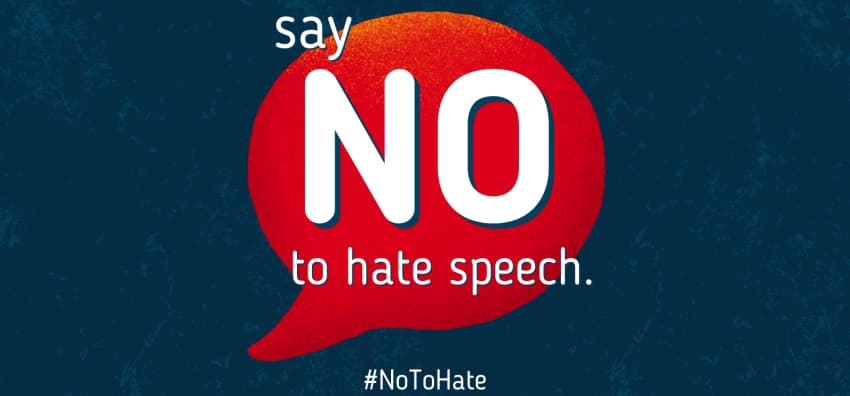
This initiative was launched following digital research into communication and interaction across various digital platforms. The research led to the conclusion that, on the one hand, the phenomenon of hate speech is widespread, while, on the other hand, there is a low level of media literacy and digital culture.
In the digital era, amid the rapid development of Artificial Intelligence, this phenomenon continues to generate implications that transcend national borders. While national borders exist only in the land, maritime, and air domains, the transnational nature of the internet allows information to flow freely across national boundaries.
Yet, beyond the application of legal norms and the exercise of state jurisdiction, there is a glaring lack of adherence to moral values and principles such as fairness and humanism.
Of course, the interpretation and application of moral values and principles may differ among individuals and cultures. This initiative does not seek to moralize its audience or impose a particular worldview. Rather, it seeks to draw attention to a phenomenon that can undermine peace and human rights. The United Nations has recognized that hate speech can undermine social cohesion and human rights.
The initiative also places particular emphasis on media and information literacy. In an environment where content can be fabricated, manipulated, produced, translated, amplified, and distributed within seconds, individuals need the ability to evaluate information critically, identify manipulative narratives, understand the context in which content is produced, and recognize when digital communication crosses the line from disagreement or criticism into hatred. The United Nations specifically identifies education and the development of digitally empowered citizens as important components in preventing and countering hate speech.
The initiative therefore aims not only to raise awareness but also to encourage a culture of responsible digital citizenship. It seeks to promote dialogue rather than hostility, critical thinking rather than impulsive reactions, and respect for human dignity rather than the normalization of barbaric discourse.
Finally, I would like to paraphrase the Romanian professor Dumitru Constantin Dulcan, who says: “We are what we think.” Inspired by this thought, I would continue with the idea: “We are what we do.”
Anyone who believes that hate speech is incompatible with a civilized world and the rule of law is free to join the initiative.
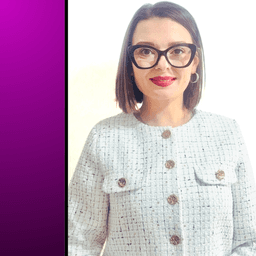
Victoria Butușanu
30 September 2026
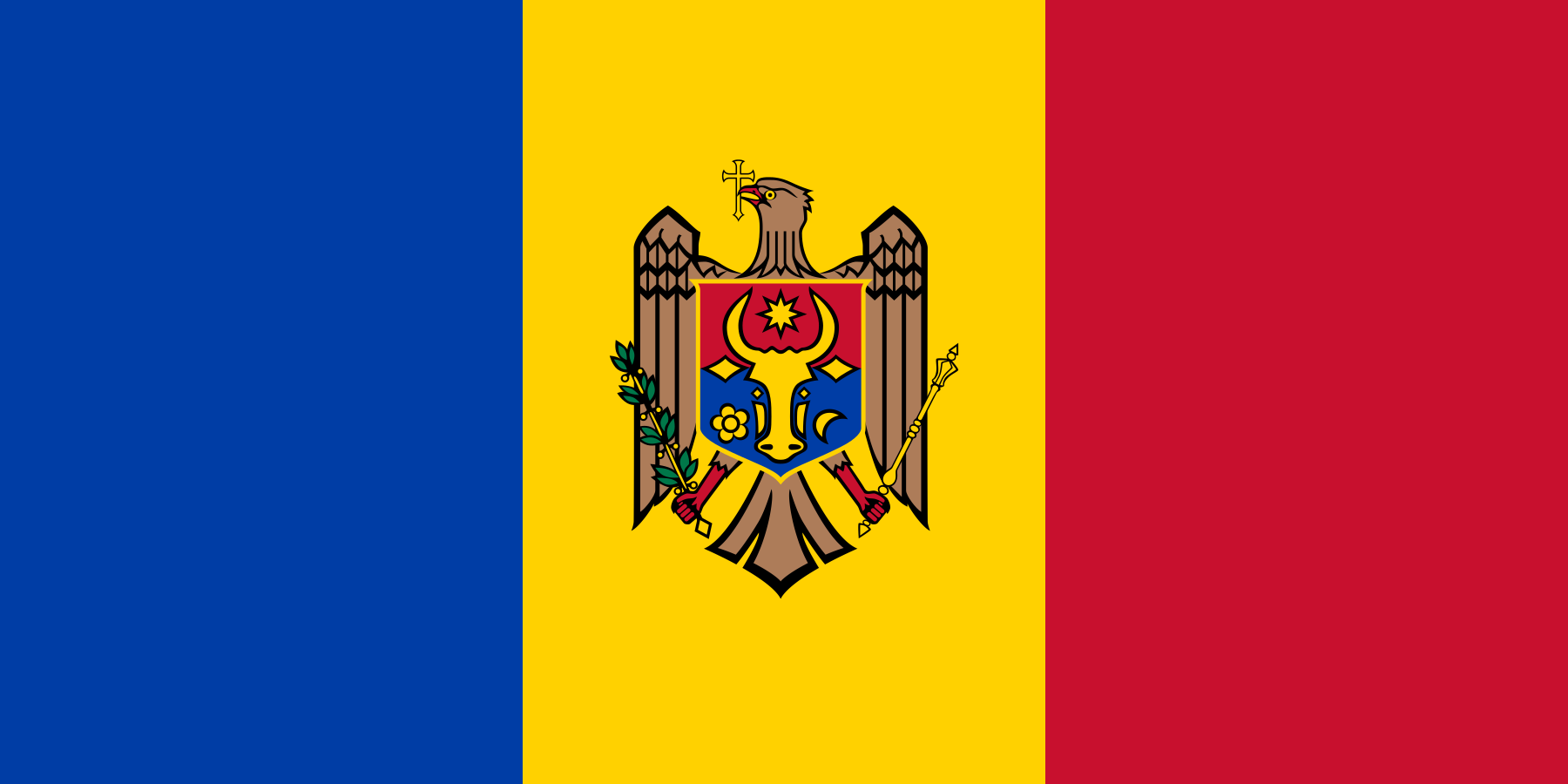
Chișinău, Republic of Moldova