
Her Hair, Her Hijab : Both Are Hers Only to Decide
Sep 22, 2026
Story
Seeking
Visibility
Her Hair, Her Hijab, Her Choice
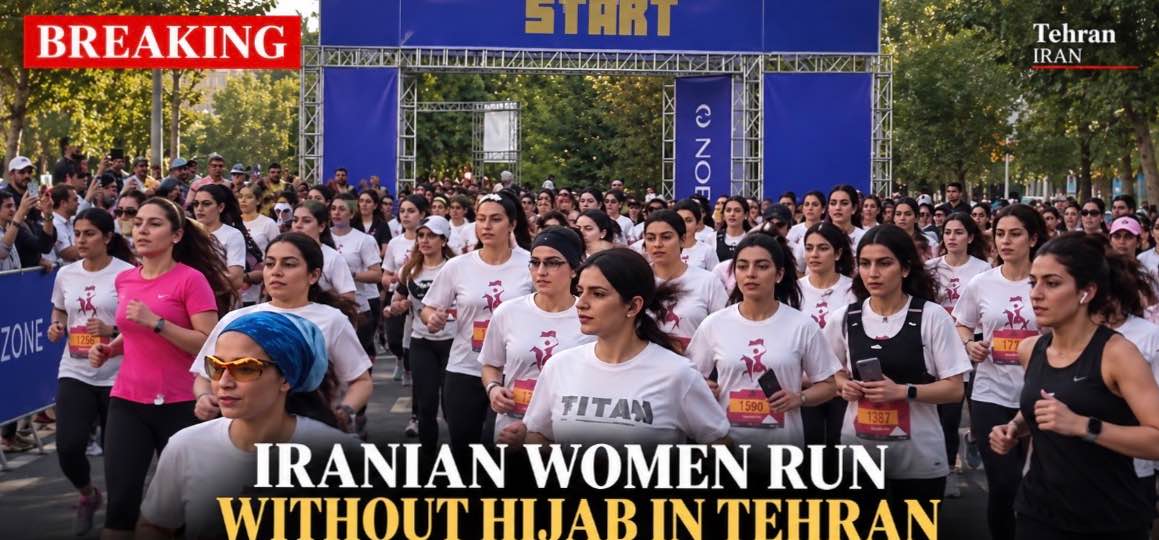
The image of women running without hijab in Tehran carries a powerful message. These Iranian women have the right to choose whether to cover their hair, and the Iranian government—like any government that imposes religious dress—should respect that choice. No woman should be arrested, punished, threatened, or excluded because she decides not to wear the hijab.
Yet this image should also lead us to ask a broader question: Does the media defend women’s freedom consistently, or only when their choices agree with a particular political or cultural narrative?
When a woman removes her hijab in a country where it is compulsory, the media often describes her as courageous, independent, and liberated. Her resistance deserves recognition because she is defending her right to make a personal decision. But when a Muslim woman insists on wearing her hijab in a society that restricts or rejects it, her resistance should be recognised with the same respect.
Freedom cannot have two different definitions.
If removing the hijab is celebrated as an act of freedom, then choosing to wear it must also be protected as an act of freedom. The media should not portray one woman as liberated because she uncovers her hair while presenting another as oppressed simply because she covers hers. Both women may be exercising personal conviction, and both deserve to have their voices heard.
The hijab should neither be imposed nor prohibited. It should be a woman’s personal, conscious, and protected choice.
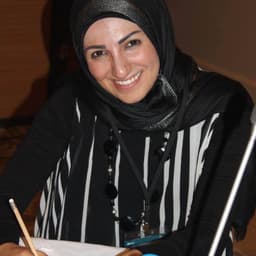
A woman who wears the hijab should not be considered backward, oppressed, uneducated, or incapable of thinking for herself. Her hijab may express faith, modesty, identity, culture, dignity, or a deeply personal relationship with God. No government, school, university, employer, or institution should force her to remove it in order to study, work, participate, or belong.
Likewise, a woman who chooses not to wear the hijab should not be called immoral, dishonourable, or less religious. She should never be subjected to punishment, surveillance, humiliation, or violence. Her body does not belong to the state, and her relationship with God cannot be controlled by laws, police officers, or public pressure.
Whether the pressure comes from a religious government demanding, “Cover your hair,” or from a secular institution demanding, “Remove your hijab,” the violation is fundamentally the same: someone else is making the decision for the woman.
Removing a woman’s hijab against her will is not liberation. Forcing it onto her head is not faith.
True freedom must defend both women: the woman who chooses to cover her hair and the woman who chooses not to cover it. Supporting only one of them means supporting a particular choice—not supporting women’s freedom.
Religious commitment has spiritual meaning when it comes from conviction. An act performed because of fear, punishment, or social pressure cannot reflect the same personal devotion. Islam teaches, “There is no compulsion in religion.” If God has given human beings moral agency and allowed them to make their own choices, then governments should not claim the authority to force faith into people’s lives.
Guidance is different from coercion. Parents may teach, religious leaders may advise, and communities may communicate their values. However, advice must never become intimidation, and belief must never become state violence. Ultimately, every woman is responsible for her own faith, conscience, and decisions.
The same principle must apply in countries and institutions that restrict religious clothing. A state does not become more democratic by forcing Muslim women to uncover their hair. A school does not become more inclusive by excluding a student because of her hijab. A workplace does not become more modern by asking an employee to remove a visible expression of her faith.
A woman is not liberated when the state chooses her clothing. She is liberated when the state protects her right to choose it.
The role of government is neither to dress women nor to undress them. Its responsibility is to protect their safety, dignity, equality, freedom of belief, and freedom of conscience. Laws should protect women from coercion—not become another instrument of coercion.
The media also carries an important responsibility. It should avoid reducing women to political symbols. It should not use the uncovered woman as a symbol of progress while presenting the covered woman as a symbol of oppression. Nor should it romanticise forced veiling or ignore women who suffer under compulsory dress laws.
Ethical media must listen to women themselves.
Why does this woman wear the hijab?
Why does another woman choose not to?
Was either of them pressured?
Was her decision respected?
Does she have the freedom to change her mind?
These questions matter more than the simple question: “Is her hair covered?”
We must stop reducing women to a piece of cloth—or its absence. A woman wearing a hijab is more than her covering, and a woman without one is more than her uncovered hair. Both are complete human beings with intelligence, ambitions, talents, struggles, beliefs, and dreams.
The Iranian women shown running without hijab deserve the freedom to make that choice without fear. At the same time, women in Europe and elsewhere who freely choose to wear the hijab deserve equal protection from bans, discrimination, and exclusion.
We cannot condemn compulsion in one country while accepting it in another simply because the command is reversed.
Freedom is not telling women what they should choose.
Freedom is protecting their right to choose.
The woman who wears the hijab deserves respect.
The woman who removes it deserves respect.
Her body is hers.
Her conscience is hers.
Her faith is hers.
Her voice is hers.
And the choice must always be hers; only hers.