
Power Dynamics In Mentoring Relationships
Sep 28, 2026
Story
Seeking
Encouragement
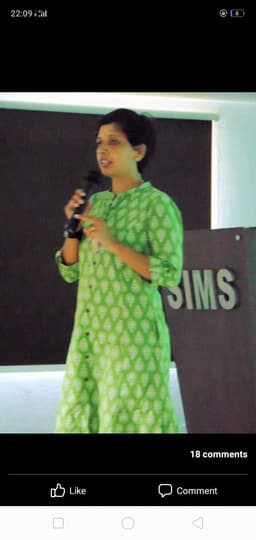

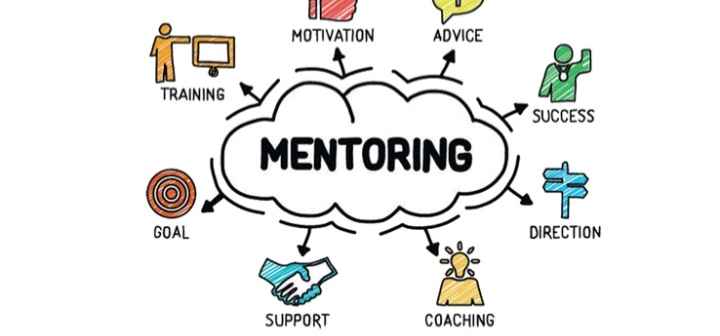
What comes to your mind when you think about mentorship? What does your role as a mentor feel like to you?
For me, mentorship is not just about leading or guiding someone. It is a win-win relationship—while we help others learn, grow, and navigate their journey, we also learn so much along the way.
During the session, some members shared how mentorship had given them psychological strength during difficult phases of their lives. That really made me reflect on how mentorship can go far beyond professional guidance. Sometimes, simply having someone who listens, understands, encourages, and walks alongside you can make a meaningful difference.
From the speaker's perspective, mentorship has a much broader meaning. At its heart, it is a relationship between two people—a space for sharing, learning, supporting, and growing together.
Perhaps that is what makes mentorship beautiful: you may begin by thinking you are here to guide someone, but you often discover that you are learning and growing too.
Power Dynamics in Mentorship:
This training on Power Dynamics in Mentorship was specially designed to enable women across South and Southeast Asia. As someone from South Asia, I found myself resonating deeply with the discussion—not just as a concept, but through the different forms of power I have experienced in my own journey.
Before I understood the different expressions of power, the word “power” meant something very different to me. I associated it with humility, helping, and lifting others up. I had experienced this kind of power while working with and interacting with generous leaders who used their influence to support and encourage others.
But the training helped me look at power through a more technical lens. Power exists in our relationships, workplaces, organisations, communities—and sometimes even in friendships. It can influence how we communicate, how decisions are made, who gets heard, and how we support or sometimes control one another.
The four expressions of power discussed in the training are:
1. Power Over – the power to control, influence, or make decisions over others.
2. Power To – the power and ability to take action, make choices, and create change.
3. Power With – the strength that comes from collaboration, solidarity, and working together.
4. Power Within – the inner strength, confidence, self-belief, and awareness that helps us navigate life.
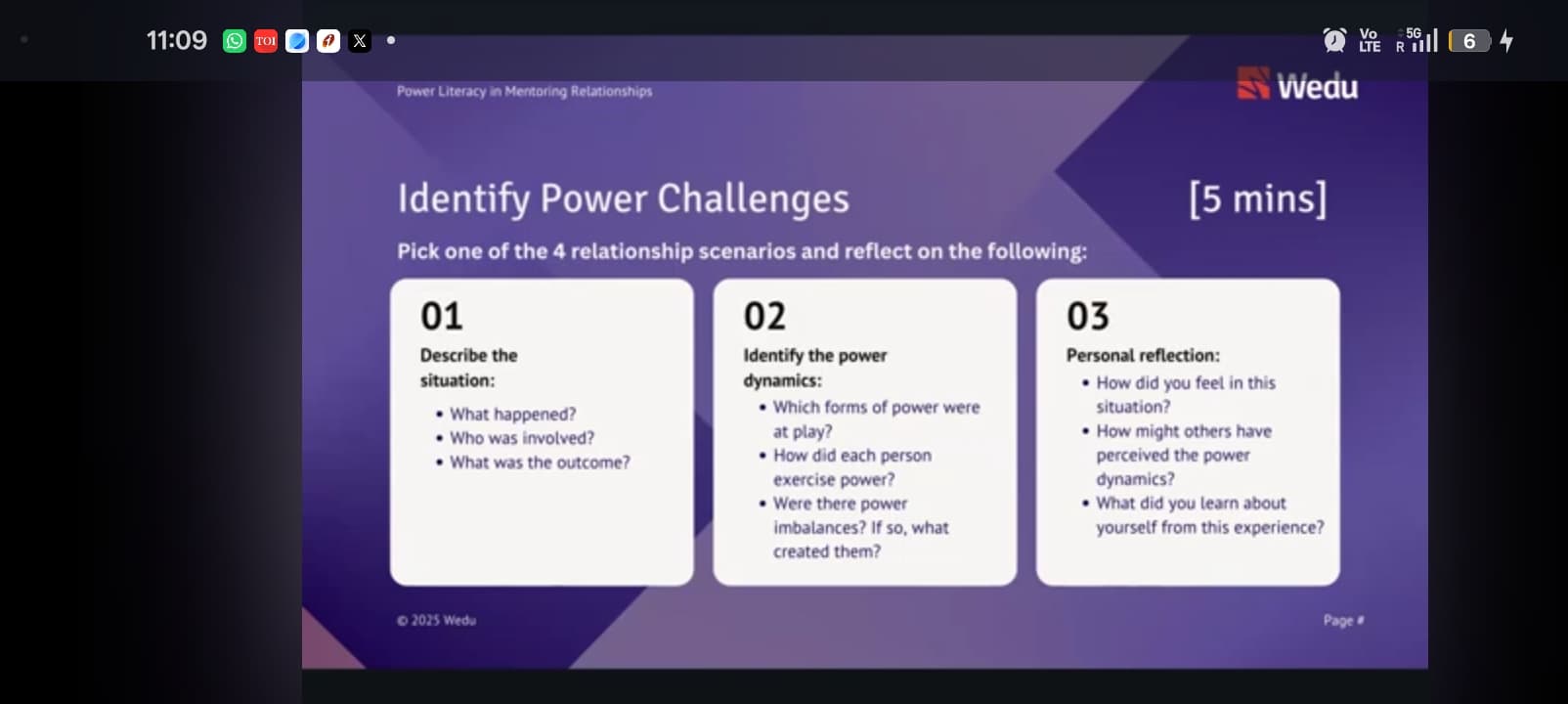
Below the small exercise to reflect which was discussed during the session and anyone can do it to understand the role of power played in their own organisation or in the relationship.
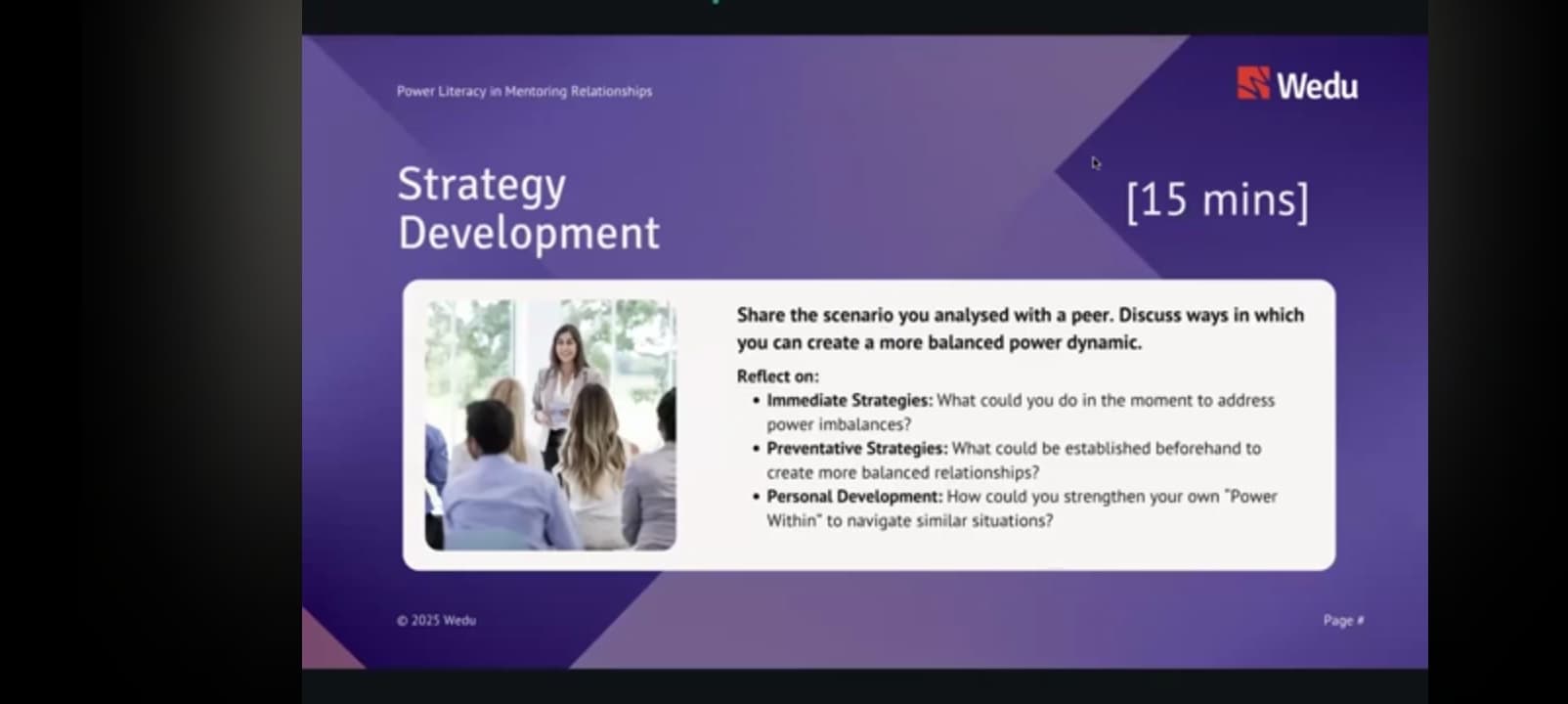
What stayed with me most was realizing that power is not always something imposed on us. Sometimes, it is something we find within ourselves, share with others, and use to help one another grow.
Looking back at my own experiences, I can now recognise moments when power helped me survive difficult situations—and moments when the right kind of power helped me grow.
Sometimes, understanding our experiences gives us a completely new language to describe our journey.
Thank you World Pulse for the sessions like this to reflect, resonate, identify and grow.
Love
Ms. Sindhu.