
The Silent Crisis: Women Dying in the Workplace and the Systems That Protect Their Abusers
Sep 16, 2026
Story
Seeking
Connections


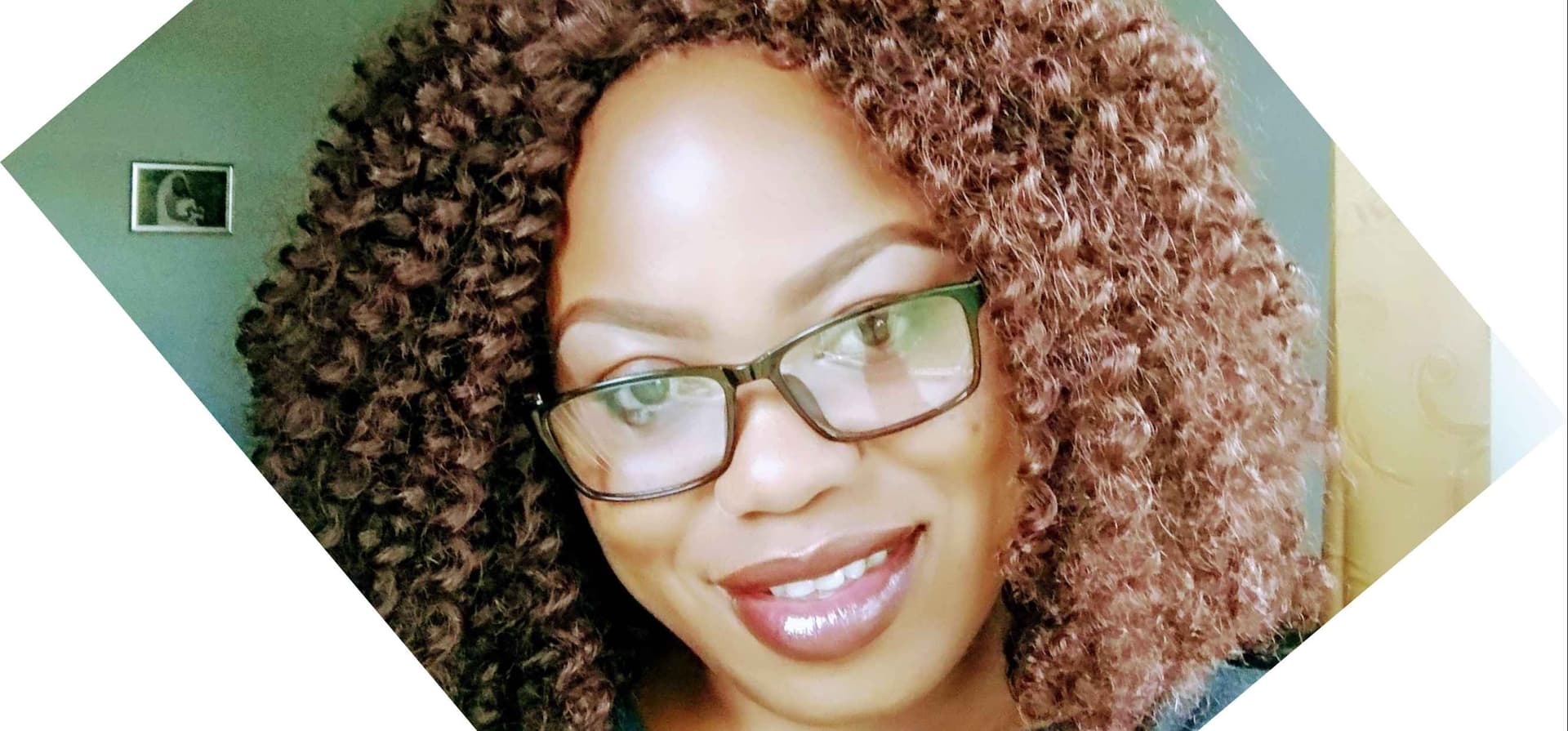
Photo Credit: Gladys R Nerah
Speaking up is scary , but it must be done even when the voice is shaky!
There is a conversation we are not having loudly enough in Corporate Africa. It is the conversation about women who are dying. Not from accidents. Not from natural causes. But from the slow, deliberate, and often invisible violence of workplace abuse. Behind closed doors, in offices across our continent, women are being broken down, worn thin, and pushed to their limits by systems designed to protect the powerful and silence the vulnerable.
We hear stories of women who have suffered mild strokes due to work-related stress. Women whose bodies have turned against them, developing autoimmune diseases, chronic fatigue, and anxiety disorders because the environment they were supposed to thrive in became a battleground for their sanity. Women like Faton, who lost her job after an emergency C-section because her recovery took longer than her allocated leave days. She almost lost her life giving birth, and then lost her livelihood for needing time to heal. This is not isolated. This is systemic.
Consider the case of Gcina Dhladhla, a 29-year-old woman who died in a workplace bathroom after asking for sick leave. She had two doctor's notes. She was told to come to work or face a disciplinary hearing. She went to work. She died there. Her exhaustion was treated as a liability. Her body's pleas for rest were dismissed as weakness. We must say it plainly. Exhaustion is not the price of loyalty.
But the abuse does not always leave visible scars. Sometimes it is psychological. It is the boss who tells you, with a smile, that he does not deal with people physically. He deals with them psychologically. It is the manager who reminds you that he has over twenty years of experience, that he is the only one who knows the systems, and that he is the Jesus of the organisation. He anoints himself as the keeper of the kingdom, a kingdom built on incompetence and manipulation. Instead of being a mentor, he sees you as a threat. Your competence threatens his small empire. Your growth unsettles his grip on power. And so he uses his position not to lift you up, but to keep you down.
Who are the women most vulnerable to this? They are the ones with no safety net. Single mothers. Women who are advanced in age and unmarried. The ones who are the sole financial providers for their families. Those with limited educational qualifications who cannot easily find another job. These women are targeted because they cannot afford to leave. They are trapped by circumstance. The systems know this. The systems were built for this. They were built to benefit from the low self-esteem of women who have nowhere else to turn. And so they endure. They endure until their bodies break down. They endure until they have nothing left to give.
Janet Mbugua put it powerfully when she said, "Management protects itself. Gen Z is walking away from toxic work environments. Millennials who built hustle culture are quietly logging off. And Black women are still carrying the heaviest version of all of it." She is right. The younger generation is walking away, choosing their mental health over a paycheque. Millennials are quietly disengaging, realising that the hustle culture they built is a prison. But Black women remain, carrying the weight of expectation, of survival, of the "strong Black woman" narrative that tells them they must endure. It is time to drop that narrative.
We need to talk about what women are expected to endure in the workplace. We need to talk about the woman who suffers from severe menstrual cramps and is still expected to show up and perform because her pain is not considered a valid reason to rest. Some nations, like Zambia and Kenya, have made an effort to ease this burden by enacting policies that grant two days of paid leave for menstrual sympathy. This is not a sick day. It is recognition that women's bodies have needs that deserve accommodation. The same policy would be beneficial in every nation. It is necessary. We must also consider women who are entering menopause, still expected to function as if nothing is happening. Women with unregulated periods due to stress from toxic bosses. Women whose bodies are screaming for rest while they are told to push through.
And here is a truth that must be said. If we are not in unity, we are complicit. Some women perpetuate misogyny, hoping to be excluded from the abuse. They side with the abuser, thinking that if they stay close enough to power, they will be protected. But the abuser is not loyal. The abuser does not have allies. The abuser has targets. If he can do it to the woman in the next office, know that you are not special. You are next. Unity is not optional. It is survival.
We need to create safe environments for women in the workplace. We need to drop the strong Black woman narrative because it is killing us. We need to hold organisations accountable. We need to demand that HR departments stop protecting bullies and start protecting people. And we need to ask ourselves, honestly, what kind of Africa are we building if the women who build it are dying in its offices? The conversation starts here. Share your story. Speak your truth. And do not stay silent because silence protects the abuser. Silence protects the system. And silence is not golden when it costs women their lives.
- Survivor Stories
- Stronger Together
- Our Impact