
What Peace Means to Me Today.
Sep 26, 2026
Story
Seeking
Visibility
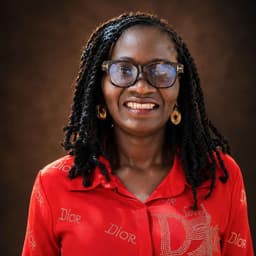

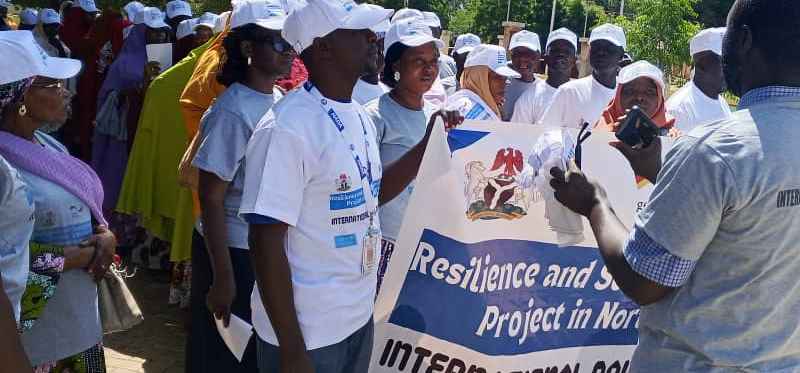
Photo Credit: Abel Ojima
Me on the far left during the Peace March on International Day for Peace 2026
Just last week, we celebrated the International Day for Peace. My organization participated in a Peace March along with other CSOs and NGOs in my locality. We ended the march at a safe space where stakeholders, community leaders and members, Civil Society Organizations and Non-governmental organizations gathered to talk about what peace means to them.
I represented the CSOs so I spoke on what peace means to me as humanitarian working in a region that has one of highest rates of out of school girls, inequality experienced by women, girls, hard to reach youths and underserved communities... And more importantly, this region is transitioning from conflict to reintegration and rebuilding. In a region like this, the absence of violence, suicide bombers, Boko Haram men wrecking havoc as they once did, curfews imposed, land mines etc could be mistaken for Peace. No wonder, almost every one echoes " now we can sleep in peace"..
In the supposed " peace has returned", there are salient issues that say we are not yet in the peace we need. Now, this is not to in any way to undermine efforts and progress made. Any one who knows how it was with the Boko Haram insurgency would know we have come a mighty long way.
As a civil society partner, I see peace as a condition where people can live with dignity, reintergrated back to their communities,feel safe, live safe, access justice, participate in their communities, and have the opportunity to build meaningful lives again.
Peace, to me, is also about addressing the conditions that created the Boko Haram conflict. Are community members being taught what it would take for them not to radicalized? Are they still sympathetic to insurgency?
It is difficult to talk about sustainable peace when people experience exclusion, discrimination, poverty, injustice, violence, or feel that their voices do not matter. Peace therefore requires more than asking people to stop fighting; it requires us to listen, address grievances, strengthen relationships and create systems where people can resolve disagreements without resorting to violence. Is there transitional justice? What lessons have been learnt? What caused the past conflict? Who are the perpetrators? Those who were survivors, have they been reparated?
My work as a civil society partner is connected to this understanding of peace. Through community engagement, advocacy, awareness creation and collaboration with government institutions, traditional and religious leaders, women, young people and other stakeholders, I contribute to creating safer and more inclusive communities.
I work particularly around issues affecting women, girls and vulnerable groups. For me, protecting a girl from violence, supporting her education, helping a survivor access appropriate services, promoting child protection, creating opportunities for young people, or amplifying the voice of someone who is often unheard are all the ways I invest in peace. Because peace don't just happen.
I also believe that peace built at the community level is very powerful. That's were the people are. That's their closest environment. Sometimes it begins with a conversation, just bringing people together, encouraging dialogue, challenging harmful beliefs, resolving misunderstandings and helping communities recognise that our differences do not have to become reasons for hatred or violence. It's so pivotal.
If I have to draw a portrait of peace, it would look like this; girls getting education, justice for every community member who seeks legal justice, inclusion for every one or group who have felt excluded, livelihood opportunities for young people, women and girls, community dialogue and strong protection systems. Prevention may not always attract as much attention as responding to conflict, but it is essential to sustainable peace.
Of course the work I do work will most likely not stop every conflict or solve every injustice, but I believe every effort that protects dignity, strengthens understanding and gives people peaceful ways to address their challenges contributes to a more peaceful society. It takes every one doing their bit.
For me, peace is not simply something we celebrate on one day. It is something we must intentionally build, protect and practice every day. Peace is too cheap and a profitable investment. And we all have stakes in it. Let's keep investing in it. Let's stop
- Peace Building